LTL vs FTL Shipping in Pakistan: Which Road Freight Option Fits?
Compare consolidated and dedicated road freight using cargo size, handling, departure flexibility and the complete delivery scope—not weight alone.
What is the difference between LTL and FTL?
LTL means less-than-truckload: cargo shares transport capacity with other shipments. FTL means full truckload: the vehicle is dedicated to one customer’s goods. A dedicated vehicle may be useful even when the shipment does not fill every available space. DHL’s LTL shipping explanation describes these basic distinctions; its advertised services relate to its own markets, not a Pakistan service schedule.
For a business comparing LTL and FTL shipping in Pakistan, the practical question is which arrangement suits the goods, handling requirements and delivery plan. There is no universal weight threshold that answers that question for every corridor.
Start with floor space and handling
Provide dimensions for each pallet, crate or package, as well as the total weight. Describe whether packages can be stacked, rotated or placed alongside other freight. A load that looks small by weight may still occupy substantial floor space.
A hypothetical shipment of four stackable pallets is a different planning problem from four tall, fragile display units. Both might fit into a consolidation enquiry, but the second needs a closer discussion of securing, loading position and possible handling points.
Before asking which option is cheaper, answer these questions:
- How much vehicle space does the packed cargo occupy?
- Can the packages be handled safely at intermediate facilities?
- Is the cargo compatible with a shared-load arrangement?
- Does the receiver have a narrow delivery appointment?
- Can the readiness date move to match an available departure?
When LTL is worth considering
Consolidation can be useful when a shipment does not justify dedicated capacity and the service arrangements fit the delivery requirement. Ask for the proposed departure schedule, collection cut-off and expected handling sequence.
Clarify whether the cargo goes through a consolidation point, how packages will be identified and which party is responsible at each handover. Confirm the packaging standard the provider expects. Good marks and a package-level packing list make a query easier to resolve.
Availability must be checked for the particular origin, destination, commodity and date. A consolidation offer on one route does not establish a regular service on another. Explore Pearl TCDT’s LTL consolidation services and ask the team to review the proposed movement.
When a dedicated vehicle may fit better
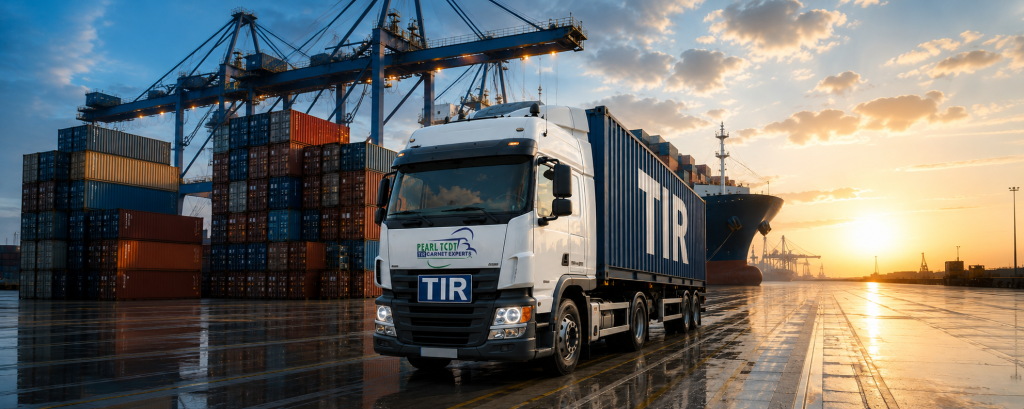
Ask about dedicated road freight when the load occupies substantial space, involves special handling, needs a particular loading arrangement or has limited flexibility. Discuss whether avoiding shared-load handling is valuable for the goods.
A dedicated vehicle does not automatically remove every border delay or operational handover. Ask the operator to describe the actual itinerary and equipment plan. If there is a vehicle change or cargo transfer, it should be visible in the booking scope.
Compare the loading and unloading requirements carefully. Responsibility for lifting equipment, access permissions and waiting time can matter as much as the line-haul charge.
Compare complete quotes rather than price per kilogram
Give every provider the same cargo brief. Request a clear statement of pickup, main transport, handling, customs coordination and final delivery. Then review exclusions such as storage, inspection charges, waiting time, insurance and unloading.
For consolidation, ask which measurement or charging basis will apply to the packed shipment. For dedicated transport, confirm the equipment and included route. Ask what happens if the cargo dimensions or loading date change after the quote is issued.
Our freight-forwarding quote checklist provides a structured comparison. Use it to identify gaps before accepting an offer.
Cross-border documents still need their own review
Choosing LTL or FTL does not settle the export and destination documentation. Give the customs and transport representatives the same approved invoice and packing list, and identify who monitors outstanding queries.
If TIR is proposed for a regional movement, ask how the transit arrangement fits the shipment and its handovers. Read our TIR transport guide and Pakistan export documents checklist before the booking discussion.
Frequently asked questions
Is LTL always cheaper than FTL?
Compare shipment-specific offers with the same delivery scope. Handling, occupied space, service availability and the receiving arrangements can change the comparison.
Must an FTL shipment fill the entire truck?
The defining feature is dedicated capacity. A customer may choose a dedicated vehicle because of handling or scheduling requirements even if some capacity remains unused.
Can fragile cargo travel in a consolidated load?
Ask the provider to assess the packaging, handling sequence and cargo compatibility. Share photographs and dimensions; do not rely on a general label such as “fragile goods” alone.
Ask for an option comparison
Send your package count, sizes, weights and planned route through our freight quote form. Ask Pearl TCDT to review available road freight options and explain the included work for your shipment.

